
In construction and material handling, equipment downtime is more than an inconvenience—it can delay schedules, increase labor costs, and create safety risks. Excavators, loaders, forklifts, telehandlers, conveyors, and compact equipment all work in harsh conditions. A disciplined maintenance program keeps them reliable, productive, and safer for everyone on site.
Start With Daily Inspections
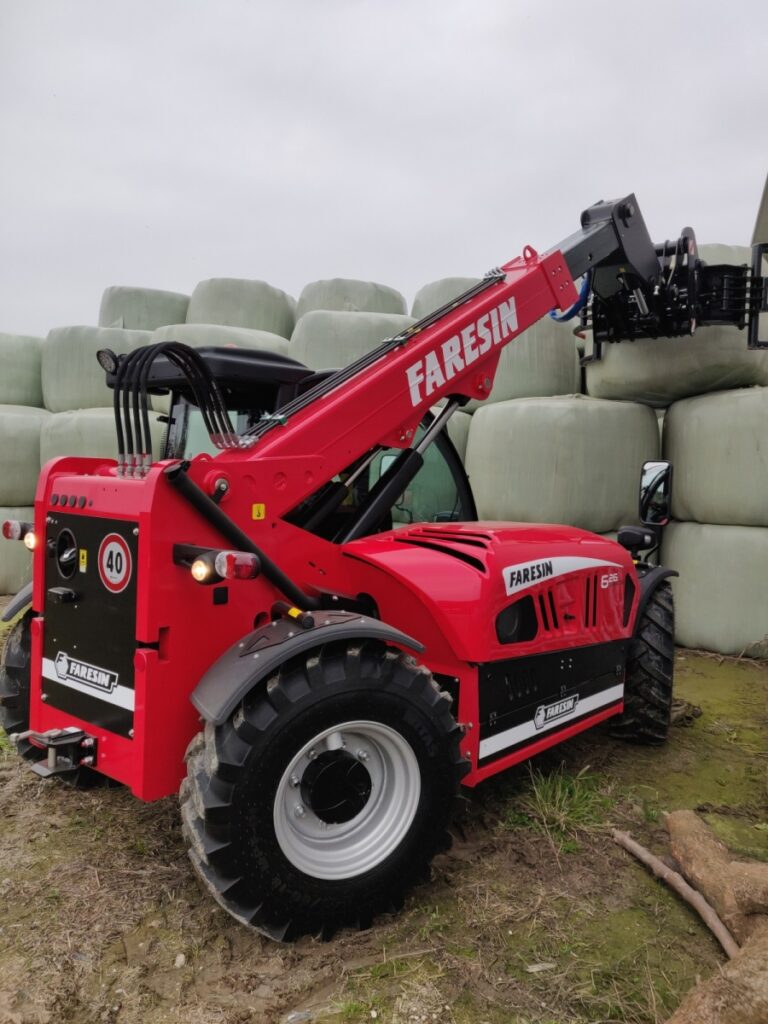
The most effective maintenance happens before a machine starts its shift. Operators should perform a quick walk-around inspection each day, checking for leaks, loose hardware, damaged hoses, worn tires or tracks, low fluid levels, and visible structural damage. For material handling equipment, inspect forks, chains, mast assemblies, hydraulic lines, warning devices, brakes, and tires. On construction equipment, give special attention to buckets, attachments, pins, tracks, cutting edges, and undercarriage components. Small issues are much easier—and less expensive—to address before they become a breakdown.
Follow the Manufacturer’s Service Schedule
Every machine has recommended maintenance intervals based on operating hours, conditions, and usage. Complete and document oil changes, filter replacements, lubrication, fluid testing, and inspections on schedule. Sites with excessive dust, extreme temperatures, heavy loads, or frequent idling may require more frequent service. A standard schedule is a starting point, not a substitute for paying attention to the actual conditions your equipment faces.
Don’t Ignore Fluids and Filters
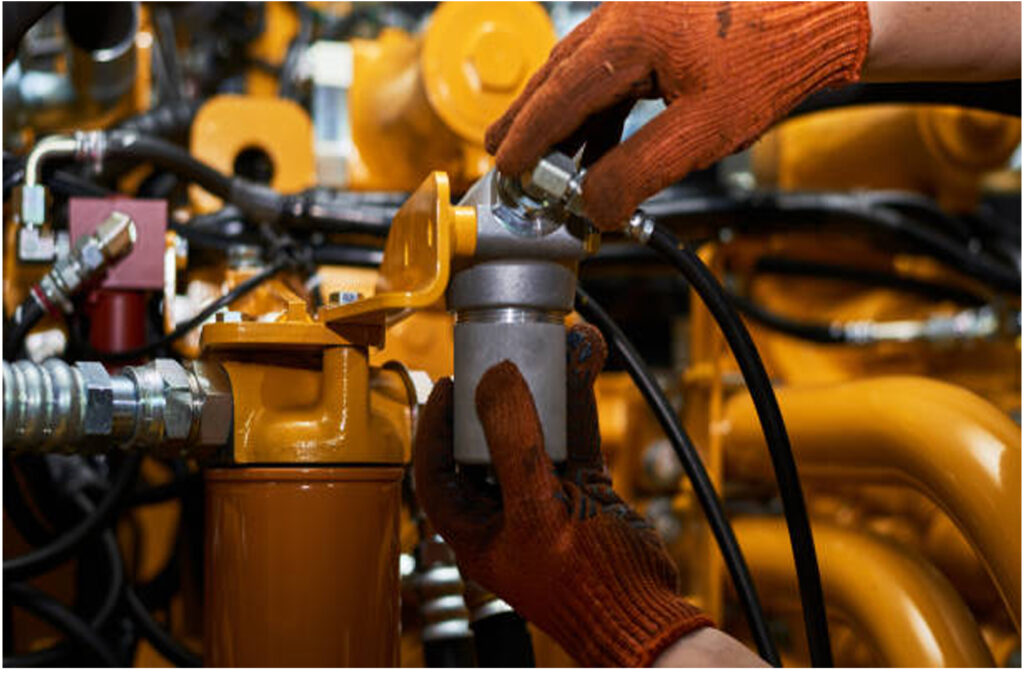
Hydraulic systems, engines, transmissions, and cooling systems depend on clean fluids. Contaminated oil or clogged filters can cause wear that is not immediately visible but can lead to major component failure later. Use the correct fluids and filters for each machine, keep containers clean and sealed, and investigate repeated fluid loss promptly. A minor hydraulic leak can quickly become a safety hazard, an environmental issue, and a costly repair.
Train Operators to Spot Trouble Early
Operators are often the first people to notice unusual sounds, vibrations, slow hydraulic response, warning lights, or changes in handling. Give them a simple reporting process and make sure concerns are addressed rather than dismissed. Encouraging early reporting creates a culture of prevention. It also helps maintenance teams diagnose issues before a machine fails in the field.
Keep Maintenance Records That Work
Accurate records help teams track service history, recurring failures, repair costs, inspections, and warranty work. They also make it easier to plan downtime around project schedules instead of reacting to unexpected breakdowns. A useful record should include the equipment ID, date, operating hours, service performed, parts used, technician notes, and any follow-up required. Over time, this information shows which machines are dependable, which parts wear fastest, and where preventive maintenance needs improvement.
Make Safety Part of Every Service Task
Maintenance work must be completed safely. Before servicing equipment, use proper lockout and tagout procedures, lower attachments, relieve hydraulic pressure where required, secure raised components, and wear appropriate personal protective equipment. Never rely solely on a hydraulic system or machine controls to hold a raised load or attachment in place. Proper supports, blocks, and manufacturer-approved procedures protect technicians from preventable injuries.
The Bottom Line
Reliable equipment begins with consistent attention. Daily inspections, scheduled servicing, clean fluids, trained operators, organized records, and safe work practices all work together to reduce downtime and extend equipment life. Preventive maintenance is not simply an expense—it is an investment in safer crews, stronger productivity, and more predictable project performance.
Sound Heavy Machinery Service Professionals
No one is more committed to service than we are. Your trust is paramount to us, and we understand that if your equipment is not running, you are not in business. Our professional service team and mobile service trucks are available 24/7. Best of all, we work on all makes and models. Whether we are working in our facilities or on your jobsite, our diagnostic and repair tools are state-of-the-art, minimizing your machine downtime regardless of weather conditions. We handle everything from simple tasks like oil changes and tune-ups to more challenging work such as line boring and welding fabrication.
Our experienced technicians bring the tools, knowledge, and support directly to your jobsite, providing convenient maintenance, diagnostics, repairs, and service for equipment when and where you need it. From routine preventive maintenance to unexpected breakdowns, our mobile service and fleet of crane trucks help minimize downtime, keep your projects moving, and get your equipment back to work quickly.